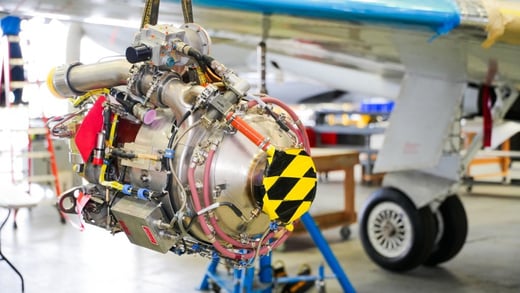

A practical guide for maintenance managers and operators focused on keeping aircraft flying, reducing downtime, and controlling costs.
Keeping regional aircraft in service requires more than ordering parts after something fails. Operators need a dependable parts program, fast access to certified inventory, and MRO support they can rely on. This guide explains what regional aircraft parts include, how to choose the right supplier, and which inventory strategies help reduce AOG risk.
Whether a shipment is considered “small package” or freight will vary by service. However, “small package” is usually defined as less than 150 lbs. and does not exceed 108” by 165” in length. Freight shipments must be on pallets or in crates, weigh up to 20,000 lbs., and measure up to 21’.
Why Parts Strategy Matters to Operators
A strong parts strategy helps prevent these issues by focusing on three essentials:
- Certified, traceable parts
- Fast access to inventory, including exchange or loaner options
- Predictable, transparent pricing
What a Strong Parts Program Should Deliver
Your parts program should help you:
- Reduce AOG time through rapid logistics and local or regional inventory access
- Lower long term costs with parts pooling, rotable exchanges, and smart stockings
- Maintain compliance with clear documentation and repair traceability

What Are Regional Aircraft Parts?
Regional aircraft parts typically include airframe components, avionics, landing gear, environmental and cabin systems, propulsion units, and engine accessories.
Parts may be offered as new, as removed, overhauled, serviceable, or unserviceable. Each option affects cost, lead time, and operational risk.
When reviewing quotes, look for full transparency. Confirm tag history, serial numbers, core value, and repair documentation before committing. Clear paperwork protects both airworthiness and resale value.
Regional Aircraft Platform Considerations
Regional aircraft such as the ATR 42/72, Dash 8, CRJ, ERJ 135/145, E170 /E190 and Saab 340 operate in high cycle, short sector environments where utilization is intense and downtime is costly. These fleets place consistent demand on landing gear sub components, propeller systems, avionics, environmental systems, flight controls, and engine accessories, making access to certified rotable inventory and exchange support critical to dispatch reliability. Operators benefit most from suppliers with regionally positioned stock, rapid AOG response, and defined repair and exchange pathways that minimize ground time. Coordinated testing, repair management, and complete documentation support are especially important for maintaining compliance with lease return and regulatory requirements, while prioritized repair slots and reliable logistics help protect fleet availability across diverse operating conditions.
Certifications and Traceability Are Essential
Only work with suppliers and repair stations that hold appropriate approvals such as FAA or EASA Part 145. These approvals support audits, warranty claims, and protect ongoing airworthiness. Providers that combine certified repair capability with inventory and engineering support can simplify returns to service and reduce compliance risk.
How Do You Choose a Parts Supplier?
Maintenance teams should look for:
- Approved repair capabilities for your aircraft and components
- Inventory depth and location, loaner pools, and rapid AOG support
- Defined service level agreements for AOG response and turnaround time
- Proven experience supporting operators flying the same aircraft type
- Clear and itemized quotes separating part value, repair cost, and logistics
How Can Operators Reduce AOG Downtime?
Most regional operators use one or a combination of these approaches:
- Parts pooling or consignment to gain fast access without tying up capital
- Rotable exchange programs to reduce repair wait times
- Hybrid strategies that combine owned spares for high risk items with pooled support for lower use components
Tracking AOG fill rates, repair turnaround times, and carrying costs helps keep inventory aligned with actual operational needs.

Why Integrated MRO Support Matters
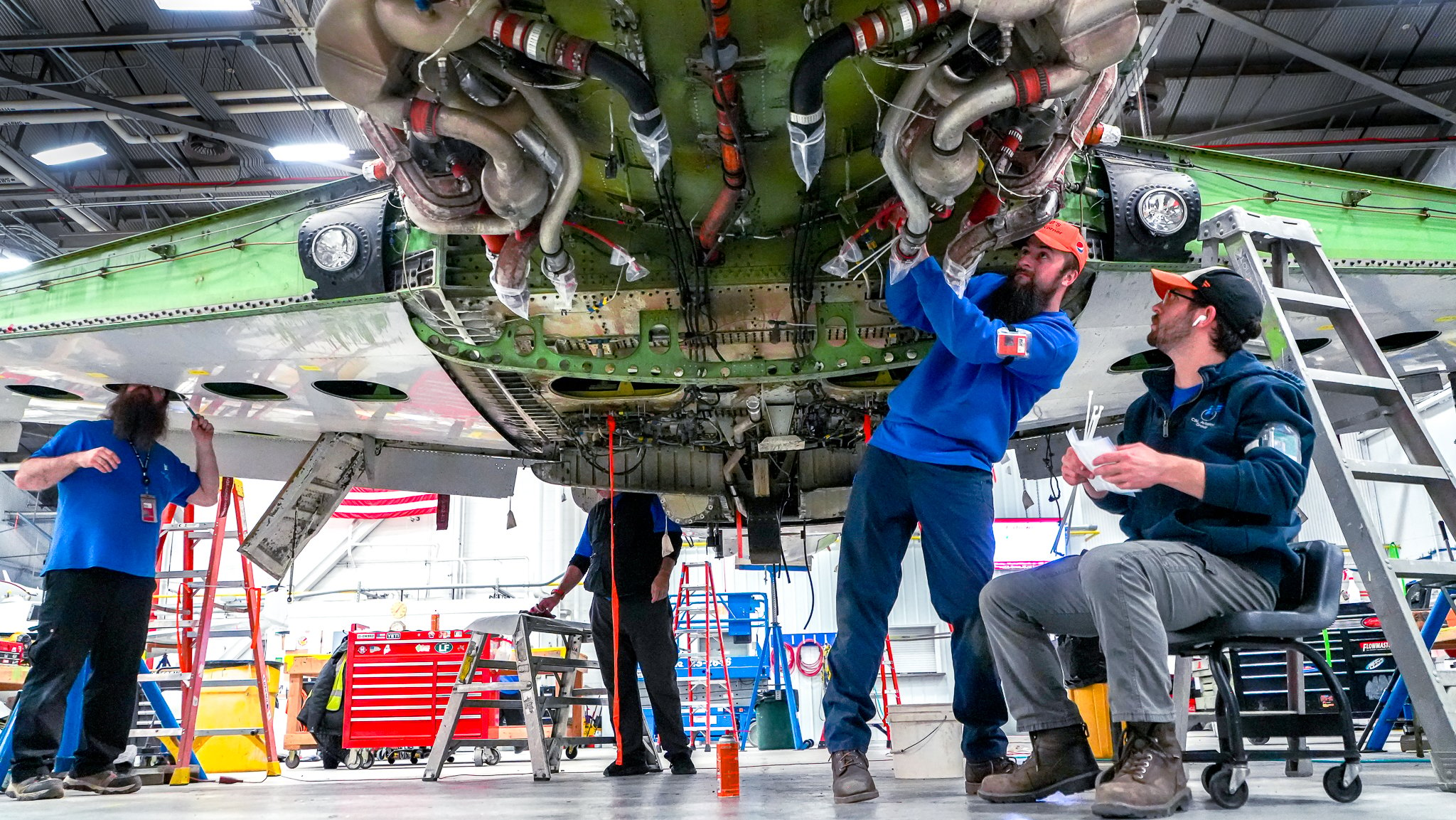
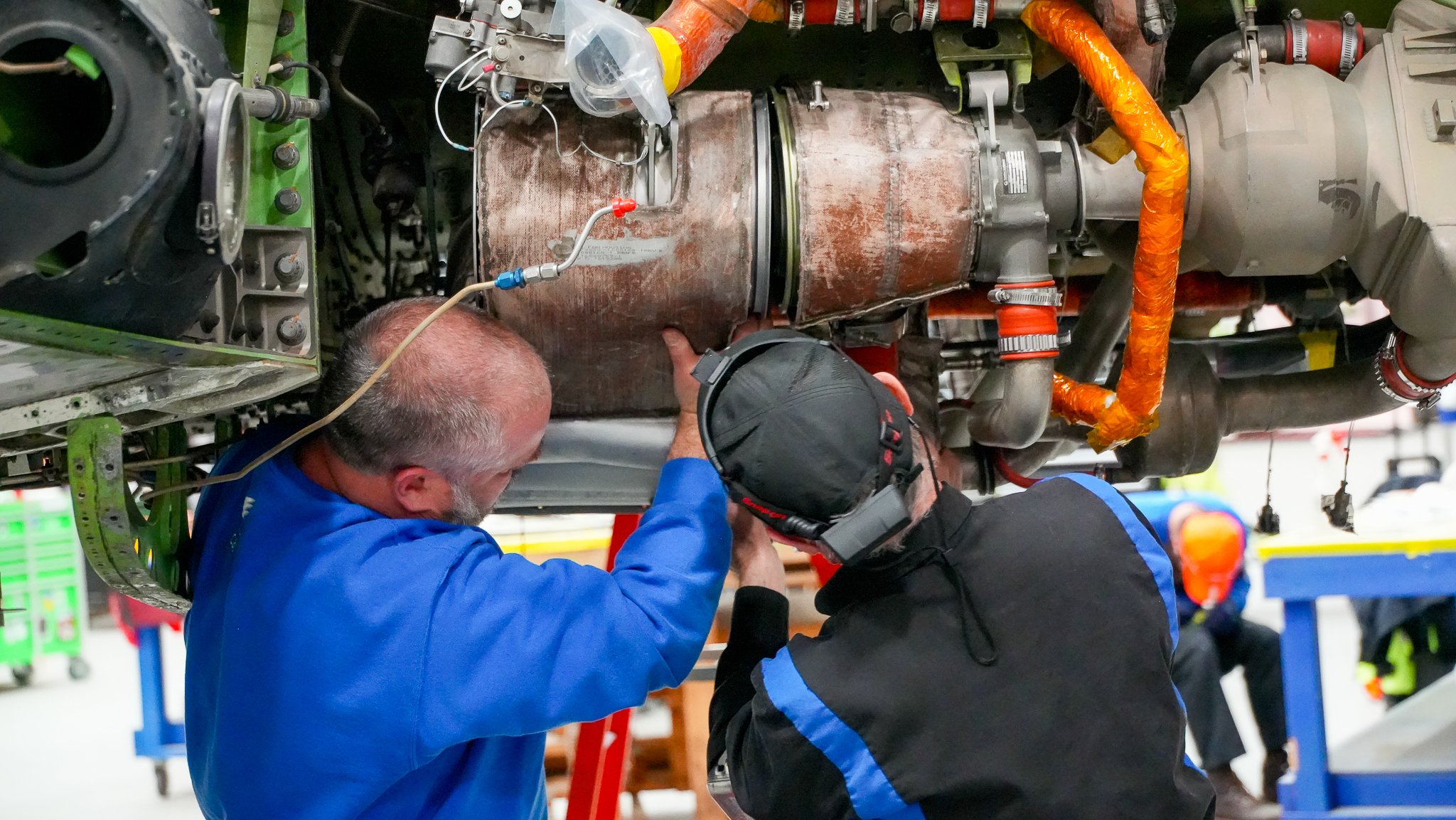
Working with a provider that combines parts, repair, engineering, and testing within one organization shortens repair cycles and reduces handoffs. When inspections, repairs, testing, and documentation are handled in one place, aircraft return to service faster and with fewer surprises.
What to Confirm in an MRO Relationship:
- On site engineering and modification capability
- In house testing and calibration
- Adequate shop capacity for scheduled and unscheduled work
- Clear quality, NDT, and return to service documentation
Conversions and Cabin Upgrades for Corporate Operators
For conversions or interior refurbishments, choose a provider that can manage parts, engineering, interiors, and certification as a single program. A unified project team reduces coordination risk, shortens timelines, and helps maintain configuration control throughout the project.
Common Mistakes to Avoid
Shipping costs vary based on a few factors:
- Accepting quotes without full documentation
- Overstocking low use parts that tie up capital
- Using repair stations without the correct approval scope
- Lacking a clear escalation path for critical AOG events
- Review recent AOG events and identify parts causing the most downtime
- Trial consignment or exchange support for a short list of high‑impact parts
- Visit or virtually tour supplier repair and warehouse facilities
- Hold monthly KPI reviews and adjust stocking levels based on performance
Frequently Asked Questions About Regional Aircraft Parts
What are regional aircraft parts?
Regional aircraft parts include airframe components, avionics, landing gear, environmental systems, flight controls, engine accessories, and cabin systems used on aircraft such as ATR, Dash 8, and CRJ platforms. These parts must be fully certified and traceable.
What certifications should an aircraft parts supplier have?
Certifications depend on where the supplier operates and the regulatory frameworks, they are required to comply with. At a minimum, suppliers should provide appropriate regulatory documentation, with FAA and EASA approvals being the most recognized globally. For repairs and overhauls, suppliers should work with approved Part 145 repair stations. Proper certification supports regulatory compliance, audits, and lease return requirements.
How can operators reduce AOG downtime related to parts?
Reducing AOG risk typically involves access to regional inventory, exchange or loaner programs, defined AOG response times, and providers that combine parts supply with in‑house repair and testing.
What is the difference between serviceable and overhauled aircraft parts?
Serviceable parts meet airworthiness requirements at the time of removal but may not be fully disassembled or restored. Overhauled parts have been inspected, overhauled as required, tested, and returned to service in accordance with approved data.
Is parts pooling better than owning spares?
Parts pooling reduces capital investment and provides fast access to rotables, while owning spares offers control over high‑risk or high‑usage items. Many operators use a hybrid strategy based on utilization and risk.
Dependent on where they operate & under what regulations they need to comply. Could structure that to say the above & then use FAA/ EASA as the 2 most common approvals.