
How to plan, source, and install avionics upgrades that protect availability, control cost, and maintain compliance
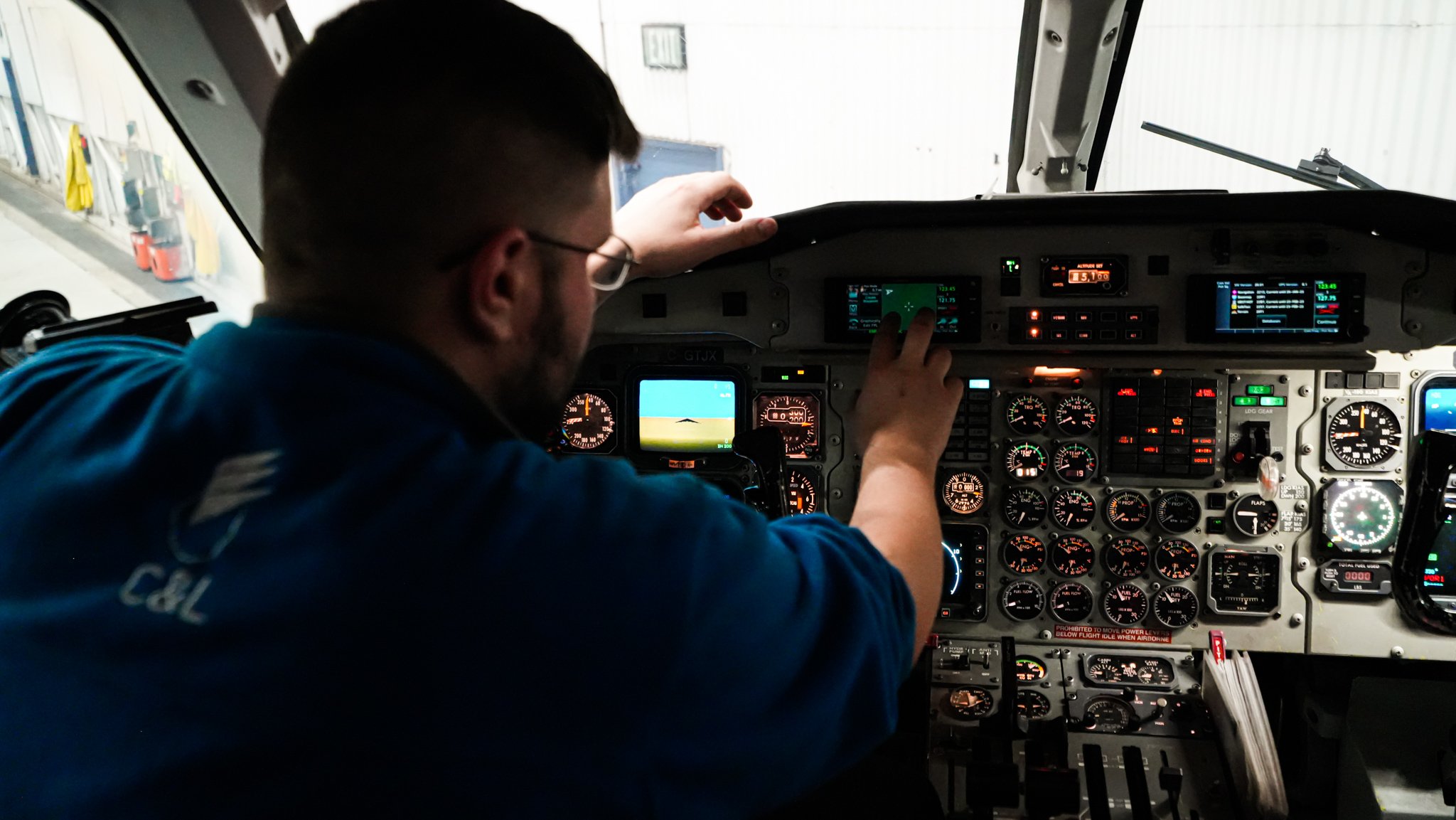
Avionics upgrades are one of the most effective ways to improve aircraft capability, safety, and long‑term value. When planned correctly, they reduce pilot workload, support modern datalink and navigation requirements, and keep aircraft operationally relevant.
This guide outlines a proven approach used by regional operators and corporate flight departments that value predictable schedules, certified workmanship, and minimal downtime. Choosing a single facility with integrated avionics, maintenance, and interior capabilities can significantly reduce coordination risk and speed return to service.
Why Now Is the Right Time to Upgrade
-
Regulatory requirements continue to evolve
ADS‑B, LPV capability, CPDLC, and other performance and datalink requirements are expanding. Keeping avionics current helps avoid operational limitations and preserves dispatch flexibility. -
Operational benefits are immediate
Modern systems improve situational awareness, reduce crew workload, and support more efficient flight planning. Integrated flight decks also simplify troubleshooting and maintenance. -
Asset value is protected
Aircraft with current avionics are easier to place, lease, or sell. Updated systems also support future conversions, mission changes, or role expansion.
Step 1. Define Your Objectives and Constraints
Start by identifying what the upgrade needs to accomplish and what limitations apply.
Clear objectives help maintain scope control and prevent cost growth.
Define upfront:
-
Operational goals such as new routes, approach capability, or connectivity
-
Certification requirements such as FAA, EASA, or TCCA approvals and applicable STCs
-
Budget parameters including capital spend and expected operating cost impact
- Acceptable downtime aligned with scheduled maintenance events
-
Mapping objectives to measurable outcomes keeps the project aligned with operational needs.
Step 2. Confirm Aircraft Compatibility Early
Compatibility issues are a frequent source of project delays. Engaging your preferred avionics facility early in the process can help mitigate these risks.
A thorough technical review should address:
-
Electrical load and power distribution
-
Cooling, environmental, and EMC considerations
-
Weight and balance impact
-
Antenna placement and structural interfaces
-
Integration with existing flight management, navigation, and related systems
Early involvement from an STC‑experienced engineering team helps identify risks before induction.
Step 3. Select Certified Equipment and an Experienced Integrator
Equipment selection should balance capability, support, and certification maturity.
Look for products with:
-
Active OEM support
-
Documented installations on your aircraft type
-
Available STCs to shorten approval timelines
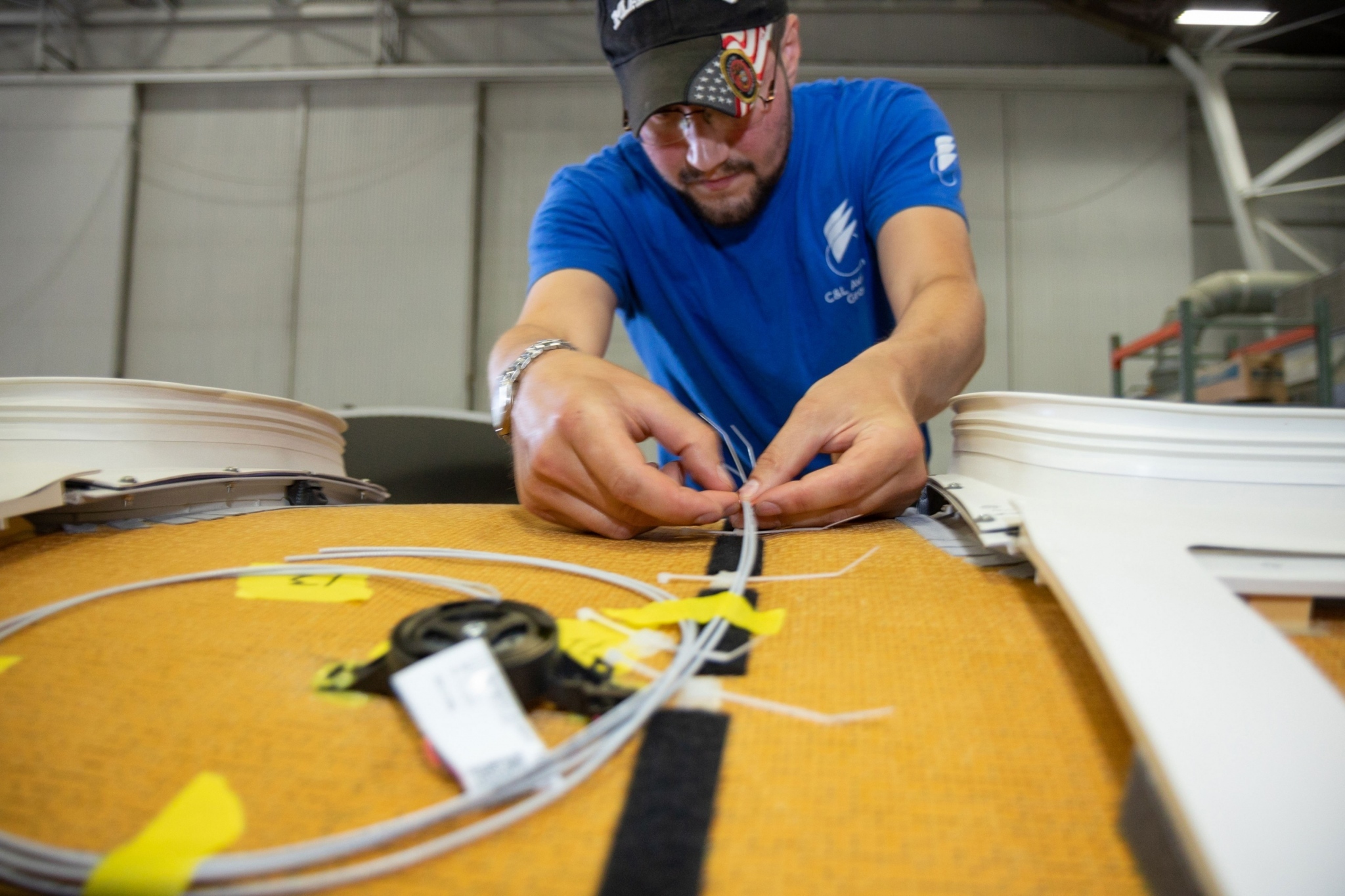
Equally important is selecting a Part 145 repair station that can manage engineering, installation, testing, and certification in one location. Fewer handoffs lead to shorter schedules and fewer integration risks.
C&L Aviation Group’s Bangor facility supports regional and corporate operators through an FAA, EASA, and TCCA approved Part 145 repair station with integrated avionics and MRO capabilities.
What to look for in a partner:
-
Active STC portfolio and OEM authorizations
-
Aircraft type experience
-
In‑house engineering and project management
-
Clear schedules and documented compliance
Step 4. Build a Realistic Project Plan
A detailed project plan protects aircraft availability.
Key milestones typically include:
-
Long‑lead times on vendor equipment procurement
-
Engineering and STC approvals
-
Harness build and bench testing
-
Aircraft induction
-
Installation and system integration
-
Ground and flight testing
-
Final paperwork and return to service
Ways to reduce risk:
-
Secure long‑lead time equipment and software early on
-
Use facilities that combine avionics/interior / MX work where applicable
- Lock pricing through fixed‑scope or milestone‑based agreements
Step 5. Plan for Training and Ongoing Support
Training ensures the upgrade delivers real operational value.
Include:
-
Pilot ground training and simulator sessions where appropriate
-
Maintenance training with wiring diagrams and troubleshooting guidance
-
Initial spares recommendations
-
Ongoing database / software / service subscription planning
Step 6. Validate ROI After Return to Service
Track results against pre upgrade baselines:
-
Dispatch reliability
-
Avionics‑related maintenance events
-
Crew feedback
-
Operational or fuel efficiency improvements
This data supports smarter decisions for future fleet upgrades.
Considerations by Operator Type
-
Regional operators
Scheduling upgrades alongside heavy maintenance checks reduces disruption. Consolidating work at one certified facility simplifies logistics and lowers ferry costs. -
Corporate and private operators
Combining avionics and interior upgrades into a single induction reduces total downtime and simplifies certification. A single project team provides clearer accountability and communication.
C&L’s Bangor facility is structured to manage combined avionics, interior, and maintenance work packages under one schedule.
What to Expect From a Full‑Service Integrator
-
A single point of contact managing the project end to end
-
In‑house avionics, interiors, and maintenance teams
-
OEM partner relationships for authorized parts and support
-
Fewer delays caused by vendor coordination or rework
Common Avionics Upgrade Packages
-
Glass cockpit retrofits to reduce workload and improve situation awareness
-
Flight Management systems / WAAS/SBAS with LPV and precision navigation to expand operational access for RNAV and European operations
-
Aircraft cabin connectivity, including Wi‑Fi, SATCOM, and pilot datalink, to enhance planning and connectivity
-
Any FAA-mandated upgrades required to maintain compliance with forthcoming regulations
Final Pre‑Induction Checklist
-
Scope of work and schedule approved
-
Parts, licenses, and software secured
-
Engineering approvals in place
-
Training planned and manuals updated
-
Contingency plan for AOG or spare coverage
Upgrade With Confidence
Avionics upgrades deliver the greatest value when they are planned early and executed by an experienced, certified partner. Operators focused on downtime, compliance, and cost control benefit from working with a provider that reduces handoffs and manages the full scope of work.
C&L Aviation Group’s Bangor, Maine facility brings avionics, interiors, maintenance, and component repair together under FAA, EASA, and TCCA certification to help customers return aircraft to service on schedule and with confidence.