The Evolution of Aviation Technology
The journey of aviation technology began with the Wright brothers' first powered flight in 1903, marking a transformative moment in human transportation. Over the decades, advancements have included the introduction of jet engines, which revolutionized commercial flight by significantly increasing speed and altitude capabilities.
Today's aircraft utilize cutting-edge materials, such as composites and advanced aerodynamics, to enhance performance and fuel efficiency, making air travel more accessible and reliable than ever before.
Unmatched Speed and Efficiency in Travel
Airplanes offer a level of speed that is unmatched by any other form of transportation. For instance, a long-haul flight can cover thousands of miles in just a few hours, drastically reducing the travel time compared to trains or automobiles.
Moreover, the efficiency of modern aircraft has improved, allowing airlines to carry more passengers and cargo with less fuel, making air travel not only fast but also increasingly cost-effective.
Safety Innovations Making Air Travel Safer
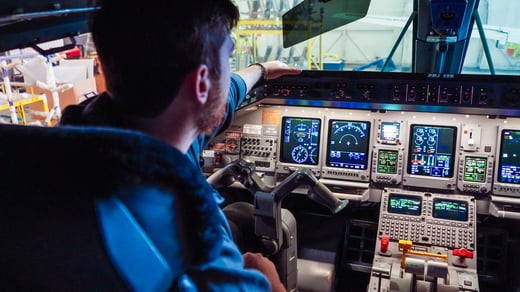
Air travel is one of the safest modes of transportation, thanks to continuous innovations in safety technology. Modern airplanes are equipped with advanced navigation systems, collision avoidance technology, and robust communication systems that enhance operational safety.
Additionally, rigorous training for pilots and strict maintenance protocols ensure that aircraft are kept in optimal condition, contributing to the overall safety of air travel.
Environmental Considerations in Modern Aviation
As awareness of environmental issues grows, the aviation industry is taking significant steps to reduce its carbon footprint. Innovations like more fuel-efficient engines and sustainable aviation fuels are helping to mitigate the environmental impact of flying.
Airlines are also investing in newer, greener aircraft designs and exploring alternative energy sources, aiming for a more sustainable future in aviation.
The Global Impact of Air Travel on Economy and Culture
Air travel has a profound impact on the global economy, facilitating international trade, tourism, and business. The aviation industry supports millions of jobs worldwide and contributes significantly to GDP in many countries.
Culturally, airplanes have made the world more interconnected, allowing people to travel across borders easily and share experiences, ideas, and traditions, fostering a greater understanding and appreciation of diverse cultures.